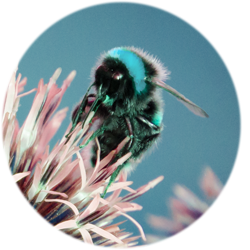

Lead Image – Burnet Moth : Nikon D7500; Sigma 105mm Macro Lens; f16; 1/320sec; ISO640.
I don’t really like moths. I always remember them seeming to fly straight towards me whenever they get in the house; I didn’t like that. Moths would eat holes in my grandparents’ clothing and wardrobes smelled of naphthalene to eradicate the problem. Nasty!
Generally folk much prefer butterflies with their bright colours and fluttering flight patterns. So, the moths tend to get overlooked in place of their more flamboyant cousins. Maybe no surprise as moths are often dull greys and browns, and most of the 100,000 or so species fly and feed at night, and spend the whole day in hiding. Moths do really have terrible PR.
Then why do I have so many photographs of moths? In the main I take these when I’m really looking for butterflies, and just happen to come across them. So, I’ve collected them together for this post. My first shot was that Scalloped Oak Moth resting on Juniper bush. Beside that is a Common Plume Moth which is only about 1 centimetre from wing tip to wing tip.


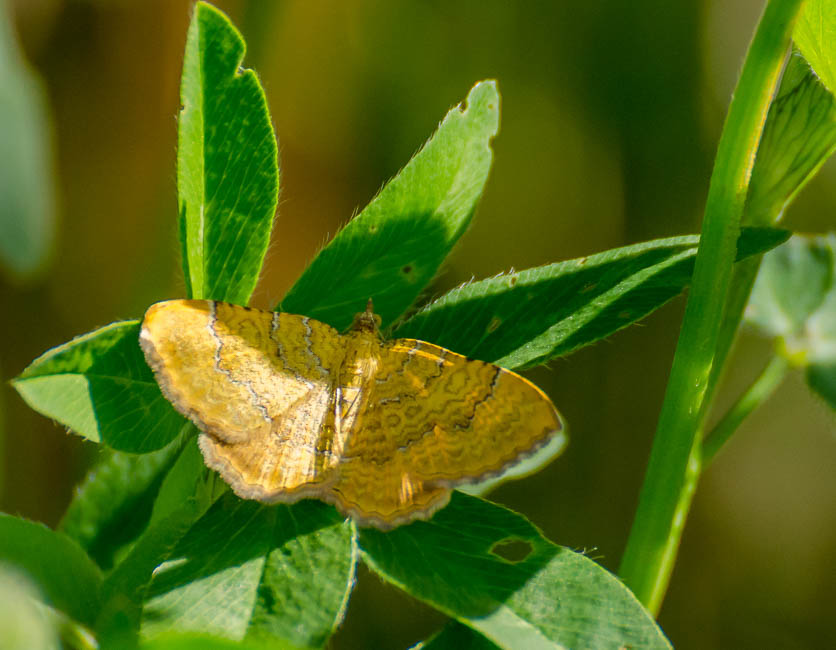
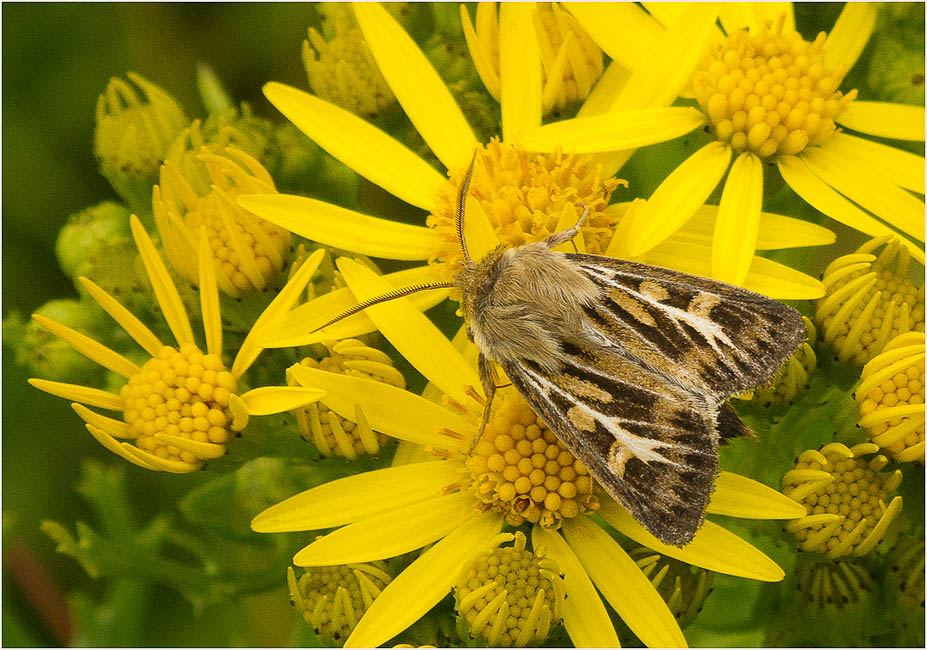
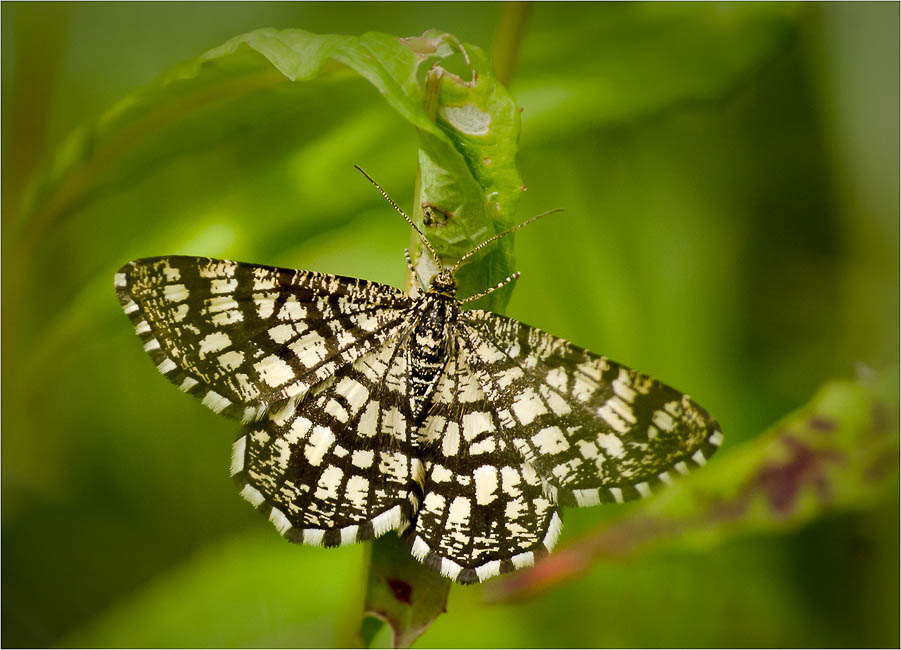
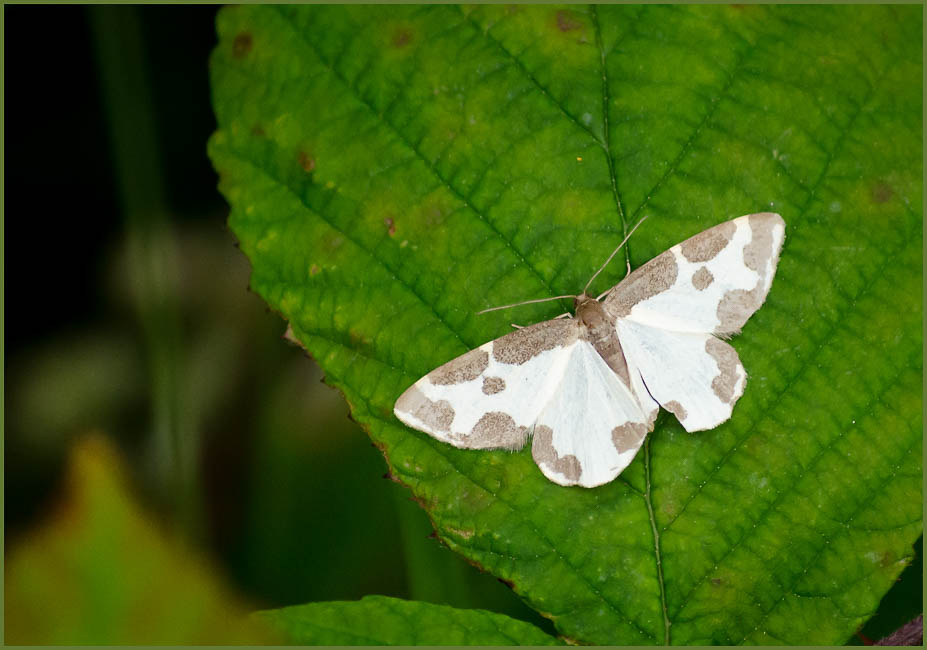

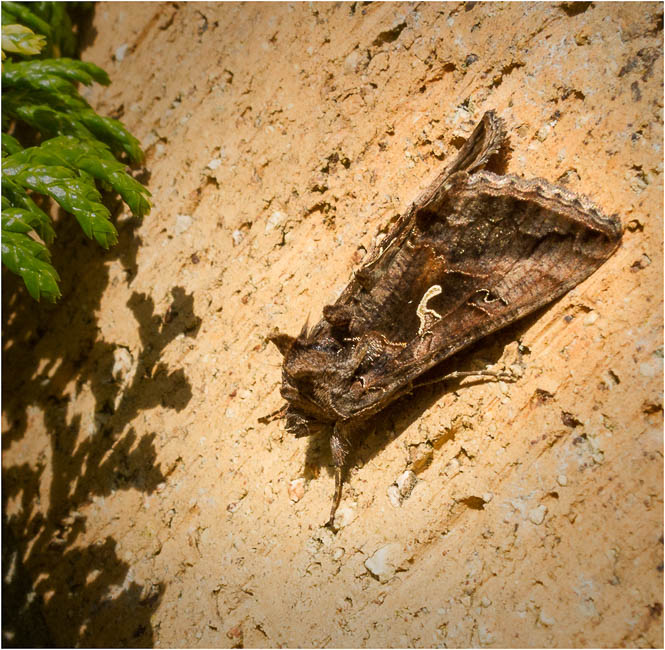
So, all these moths here are diurnal moths – those varieties that come alive during daylight hours. I’ve never seen any of the most colourful moths around but many species have quite specific markings, and thus the job becomes a task of identifying what they are.
Some more varieties: –
There’s a couple of daytime moths around here that must be related to one another: the Burnet moth and the Cinnabar moth. Both are jet black with bright carmine-coloured markings. They fly in a very direct fashion – no fluttering like a butterfly. All you see is the red flash mostly from the movement of their bright underwings.


I wonder – do you see these types of moths in your neighbourhood?
A more recent addition to my collection here is the Hummingbird Hawkmoth. My granddaughter and I were dead-heading our buddleias when she shouted ‘What is that?’. And there’s this beastie we’ve never seen before. Quick photos taken with the phone – so lower quality shots.


Got its name off the internet. It behaves just like a hummingbird, feeding from the blooms while stilling itself in flight. Amazing! We have no hummingbirds in Europe but this is a great imitation. Originating in Southern Europe they fly up to the UK in summer. But this far north? Climate change may be having an influence in this.
Do these moths have any appeal? I think it’s the variety that gets me.
 jazziBeeblog
Yes, I see most of these moths in Finland. The Hummingbird moth instead, I captured in Italy. Your shots are nice .
LikeLike
Thanks! I understand the Hummingbird moth breeds in Southern Europe – so it’s surprising that it has flown so far north – as far as Scotland.
LikeLiked by 1 person
What, all those moths but no Lunamoth? Nice pix ! …; -)
LikeLike
No Lunamoths in our part of the world! But they look amazing, Liam
LikeLiked by 1 person