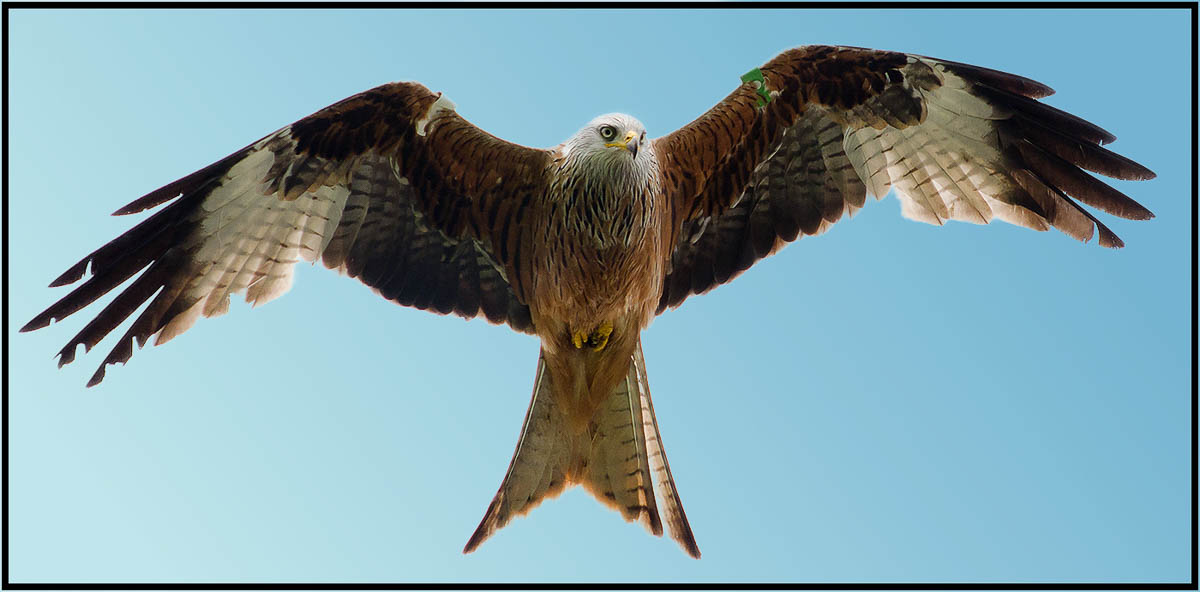
Wings of the Red Kite

If I can just squeeze this in. It’s been a difficult week, I’ve been tired out but now coming back to myself. The subject ‘Wings’ was set by Beth of the Wandering Dawgs blog, who hosts the Lens-Artists Challenge #376.

The subject took me back a number of years to a visit to the red kite feeding station at Bellymack Hill Farm in the Galloway region. There every afternoon, food is put out and dozens of red kites appear for their daily.

More photos
A Moth’s a Moth for a’ That

Lead Image – Burnet Moth : Nikon D7500; Sigma 105mm Macro Lens; f16; 1/320sec; ISO640.

I don’t really like moths. I always remember them seeming to fly straight towards me whenever they get in the house; I didn’t like that. Moths would eat holes in my grandparents’ clothing and wardrobes smelled of naphthalene to eradicate the problem. Nasty!

loads more images

Living on the Edge

(from Oct 2016)
Down on the rocks near Troon harbour, I looked for seabirds – anything at all. I could see eider ducks, oystercatchers, cormorants and gulls – plenty. Then looking back into the sunlight, I just spotted a little movement on the flat rocks. A family of four little Ringed Plovers were ‘coorying doon’ out of the wind behind a wee ridge.  The strong sun behind them wasn’t going to give me a good shot, so I moved in a great half circle round to get the light directly on to them.

Continue reading “Living on the Edge”

Butterfly Collecting

I’ve just been reading in the BBC History magazine about a wealthy lady of the 17th century, whose abusive and estranged husband successfully challenged her will following her decease. He claimed that she was not of sound mind when she left all her property to her cousin. Among the evidence he cited of her madness was that she was obsessed with the collection of butterflies and moths.

Continue reading “Butterfly Collecting”

How Wild is This?

I’m responding to the Lens-Artists Photo Challenge and this week Dianne is saying ‘Let’s Get Wild!’ She’s talking about ‘Mother Nature untouched and untrammelled,  allowed to get on with her work without human help or hindrance.’ Well there’s not much left of that in the UK with so many of our wild areas busy with tourists and all the facilities introduced to accommodate them. Even our wildest areas are ‘managed’. Our own Scottish hills have largely been cleared of the natural forest centuries ago and many other areas were taken over for forestry in the last century. Only now are we making moves to re-establish some of the original landscape.

Continue reading “How Wild is This?”

Green and Blue

Nature’s colours

What with the blue of sky and green of leaves, blue and green are common acquaintances in nature. The view of my regular lockdown walk down the right hand side of the river (above) was taken on evening last week. But I looking through my archives and find some other examples of natural blues and greens.

Like this Common Blue butterfly. It’s not long emerged from its chrysalis and is sitting here upside down on a reed stem taking in the heat of the morning sun.

A small butterfly but the male is so blue and when you see them fluttering by you feel there’s something magical happening.

More images

Orange Tip Butterflies

We saw a small white butterfly land in our garden. Very early in our year to see any butterfly, especially as the weather is unusually cold. And then the butterfly disappeared from sight. Where did it go?

Our daffodils and narcissi have been great this year. They flowered for a long time and now are looking a bit past it. All the petals are wilting. But look closely!

Continue reading “Orange Tip Butterflies”

Bracken in Winter

Well, the sun is out today … at least a little, but recently we’ve had some dark days. The days are shorter nearing the solstice. Even the recent news about vaccines hasn’t lifted the mood much. And my outing to the country park didn’t produce much in the way of photographic opportunities either. I still saw something I hadn’t seen there before – a large grey heron gliding down the centre of the narrow river staying one metre off the water surface with barely a flap of its wings, and disappearing round the bend. It appeared all too suddenly and much too fast to capture.

Read More – Images